
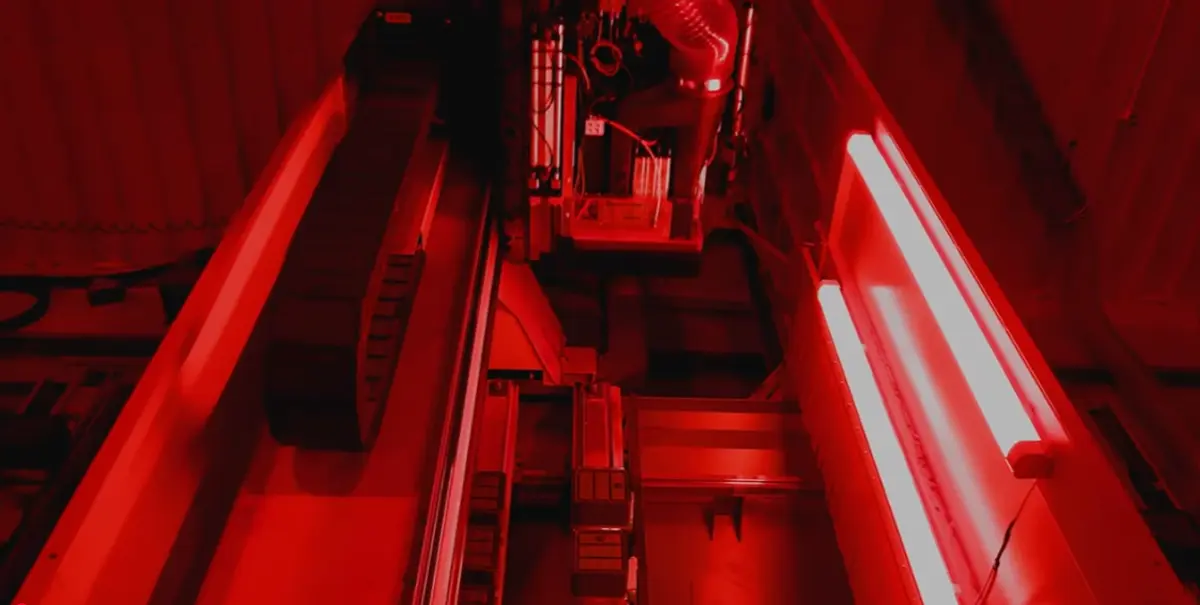
Inside the Shark Factory
Generic
Every Shark Guitar begins as a design and ends as a premium quality, precision instrument. Between those two points lies the Shark Factory: a 1,600-square-meter facility in Antalya, Turkey, where advanced machinery and skilled craftspeople work in tandem to produce every component in-house.
This is where the Ocean Environment comes to life.
The Ocean Environment Platform
The Ocean Environment is Shark's unified compatibility platform. It ensures that every part of a Shark Guitar is inter-compatible with every other part.
For this kind of modularity to work, precision is everything. Parts cannot simply fit together. They must fit together with micrometer-level accuracy, across every single unit produced. A system where any neck can attach to any body, where any pickup module can be swapped in seconds, with a convertible bridge system that’s micron precise, requires manufacturing tolerances that most guitar factories never attempt.
This is what the Ocean Environment demands. And the Shark Factory was designed and built from the ground up to deliver it.
From Store to Factory Floor
 When a customer finalizes their design in the Shark 3D Designer or purchases a ready made design from the Shark Store, they place their configuration into a shopping cart. At that moment, the specifications are fed directly into the factory's enterprise resource planning system. Every parameter for that specific guitar updates automatically across all production systems.
 There is no manual reprogramming, no human error in transcription. The exact configuration a customer sees on screen becomes the exact configuration the machines execute. This direct-to-machine pipeline is why Shark can offer the level of customization it does without compromising on consistency and production speed.
Nothing is lost in translation. Nothing is approximated. The guitar that arrives at your door is the guitar you designed on screen. What you see is what you’ll get.
Complete Vertical Integration
 Shark handles virtually every aspect of production internally, from raw material intake to final assembly. Everything else is made on-site, under direct quality control.
This vertical integration means complete control over material quality, tolerances, and production timing. It means faster iteration when improvements are identified. And it means every guitar that leaves the factory has been produced under a single, unified standard.
The Production Departments
The factory is organized into specialized departments, each equipped with dedicated machinery and staffed by trained specialists. Here is how a Shark Guitar moves through production.
Woodworks
All tonewoods arrive at the factory and pass through rigorous inspection before processing. The department operates purpose-built drying and curing ovens alongside atmosphere-regulated stock rooms that maintain optimal humidity for wood stability.
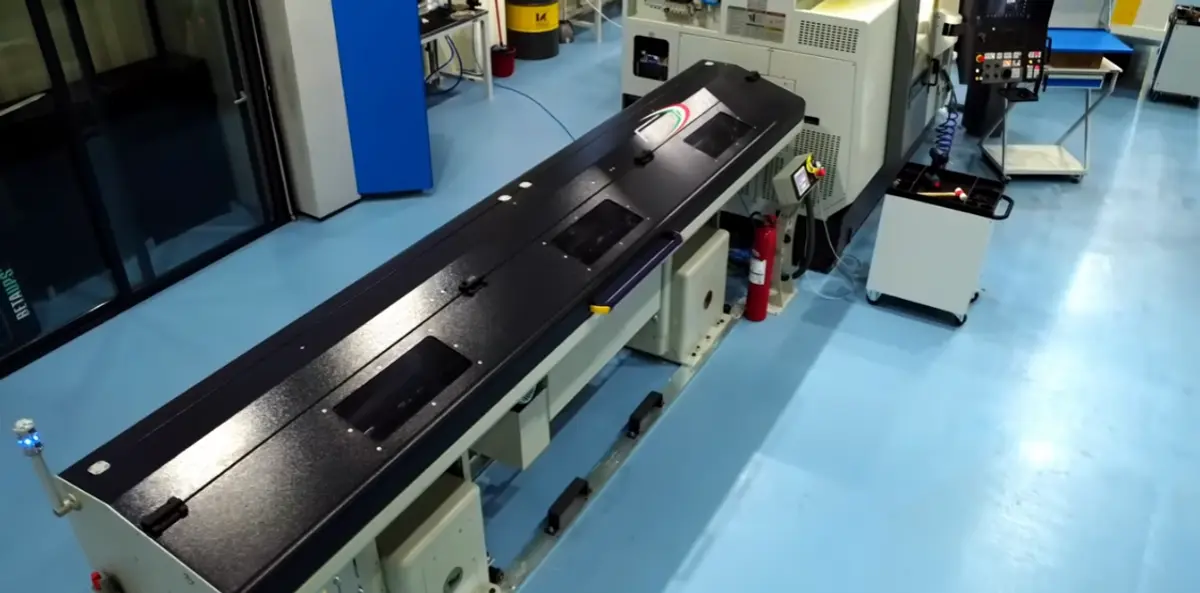
Advanced multi-axis Biesse CNC machines handle the precise cutting and shaping of bodies, necks, and fretboards. These machines achieve tolerances of 0.1mm, ensuring that every neck pocket, pickup route, and contour matches specification exactly. Press equipment handles lamination for topped bodies and bookmatched wood selections.
Metalworks
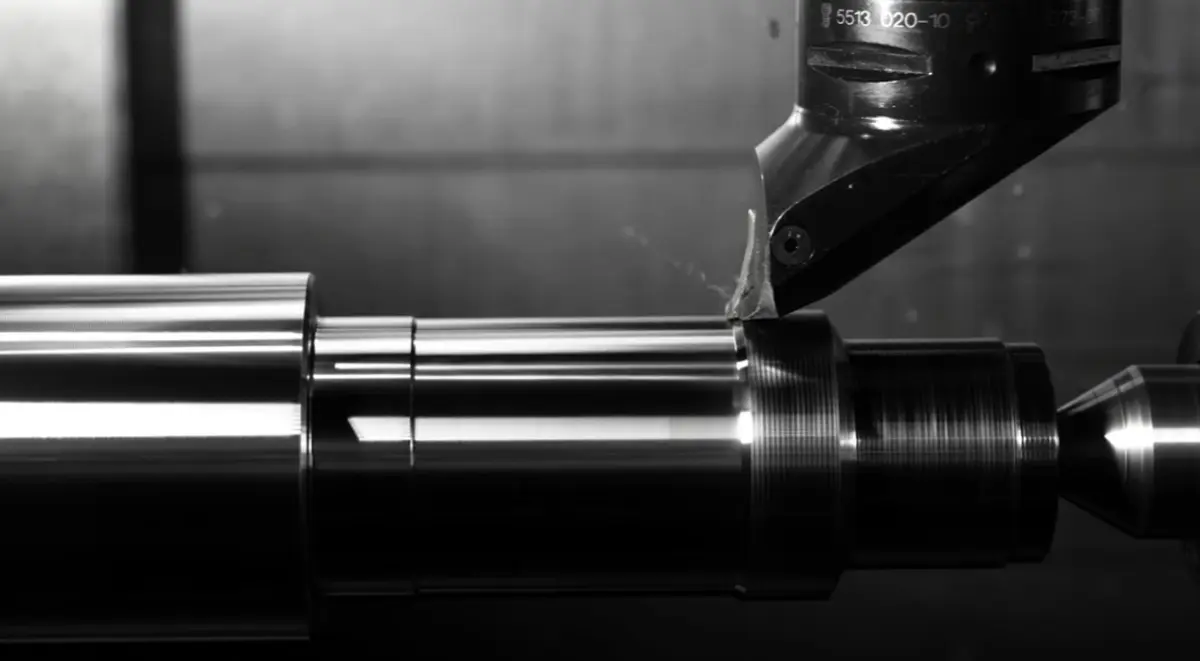 The titanium components that define Shark's hardware are manufactured entirely in-house. A sophisticated 11-axis advanced CNC machine works alongside two other metal CNCs to fabricate every tremolo, nut, neck spine, and hardware component.
These machines achieve sub-0.01mm accuracy. That is micrometer-level precision on aerospace-grade titanium. This is what allows the Ocean Environment's modularity to function: parts machined to tolerances tight enough that interchangeability becomes reliable, repeatable, and stable.
Metal Surface Processing
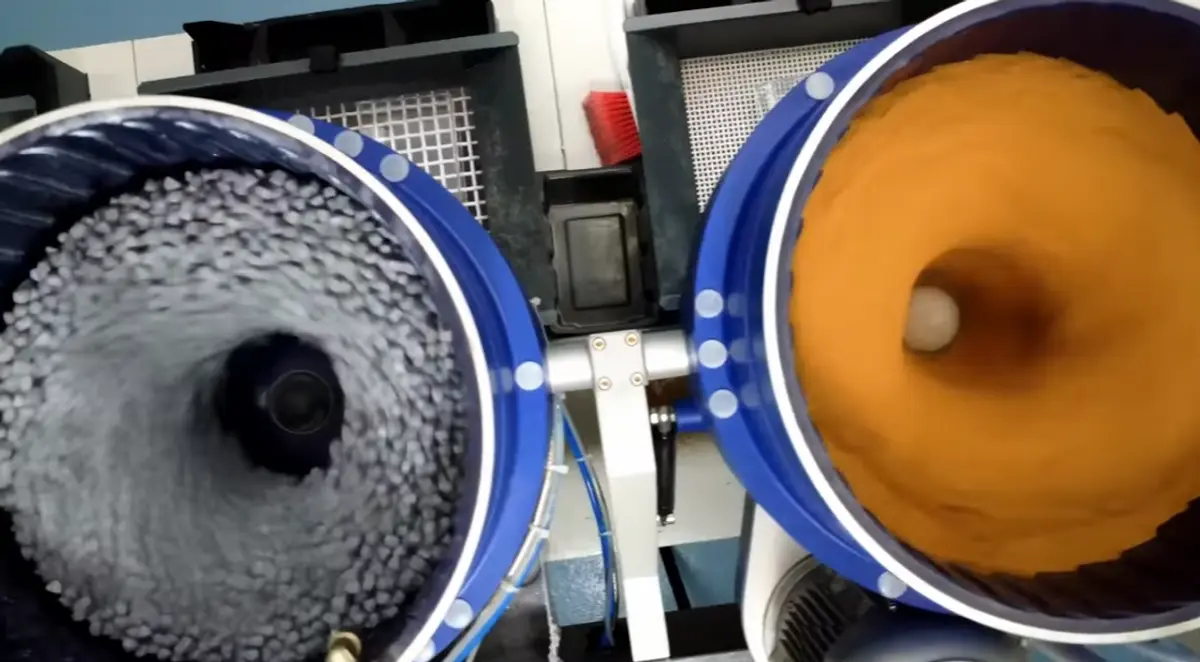
After machining, titanium components move to surface processing. Advanced tumble polishing machines prepare the metal for finishing, achieving consistent surface quality across all hardware pieces.
A dedicated in-house titanium anodizing station handles all color finishing. Type 2 anodizing produces over 300 distinct color variations. Type 3 anodizing creates a durable matte grey finish with enhanced scratch resistance and corrosion protection. All of this happens with specifically designed stations, on-site, under direct quality control.
Robotic Sanding
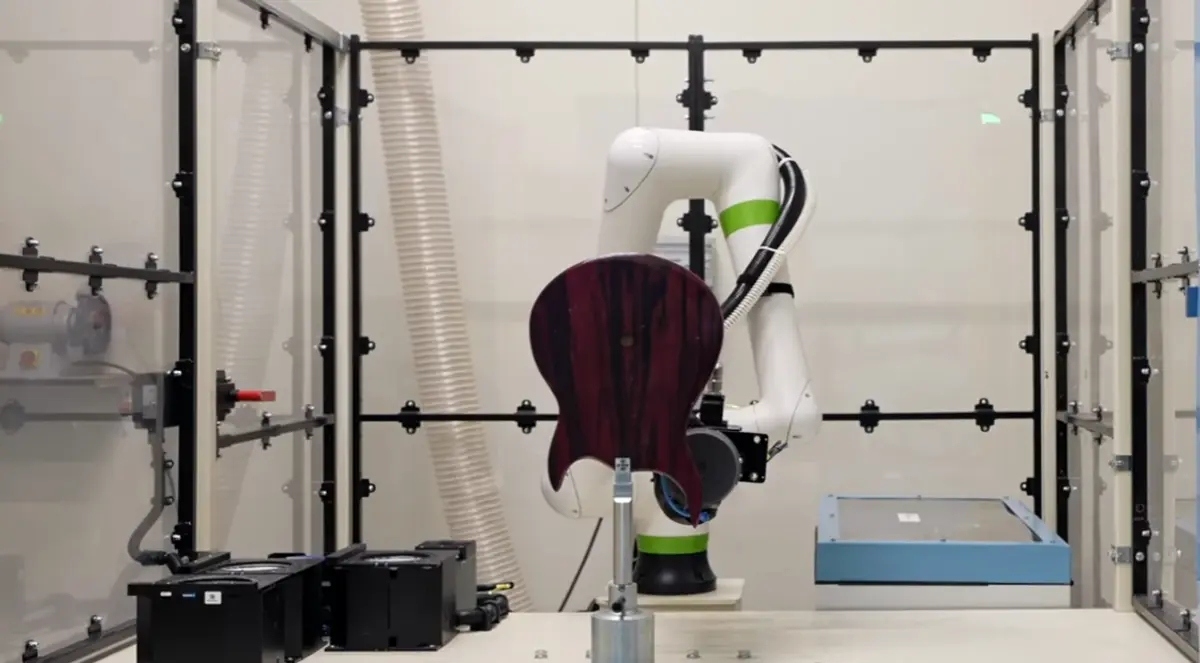
A fully automated Fanuc sanding robot handles surface preparation on wooden components. The robot is equipped with highly sensitive pressure sensors that respond to the subtle variations in wood grain and contour.
The system uses innovative lead-through programming. The nuanced movements and techniques of an expert human luthier are recorded and then replicated with robotic precision. This approach freezes human craftsmanship into repeatable actions, ensuring that every body receives the same quality of surface preparation that a master builder would deliver by hand.
Robotic Painting
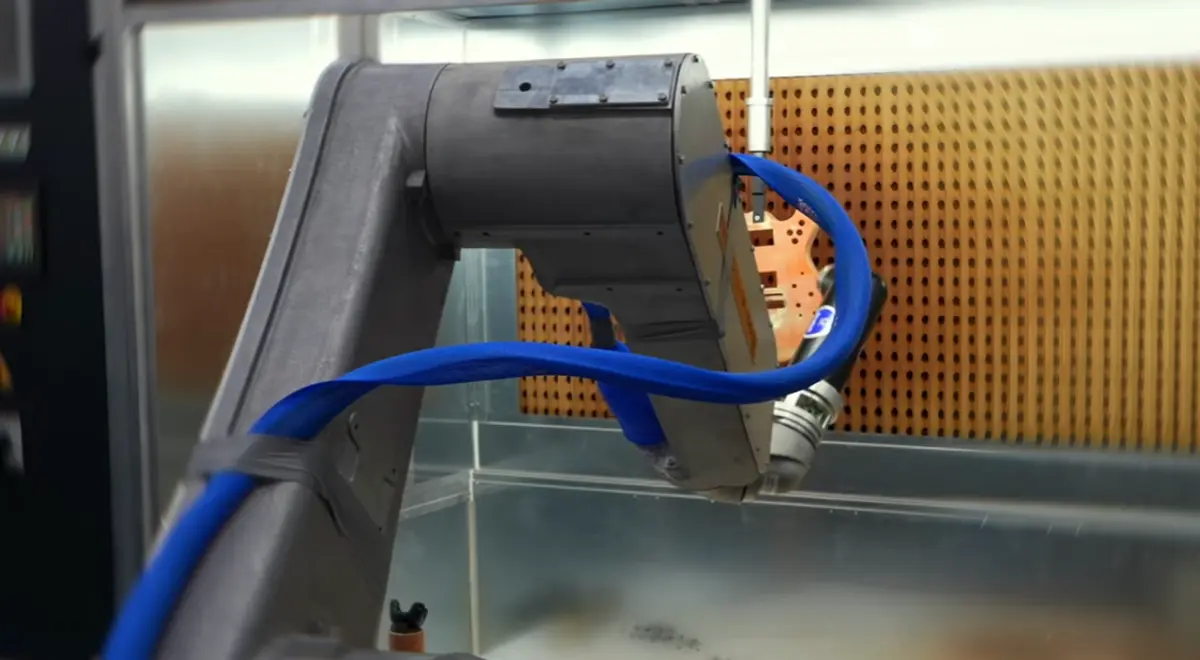 The painting department operates a fully automated spray painting line. Like the sanding robot, the painting system captures expert technique through lead-through programming. The recorded movements of skilled finishers are reproduced exactly, coat after coat.
The painting robot uses advanced diffuser nozzles and electrostatic techniques to achieve professional-grade results. Finishes are uniform and flawless. Coverage is consistent. The result is a factory-perfect finish that maintains the visual standard Shark instruments require.
Laser Engraving
Three distinct types of laser engraving and cutting machines serve different applications throughout the factory. Heavy-duty systems handle metal work. Medium-tier machines produce epoxy inlays with precision. Light-tier equipment handles delicate typography and serial numbers.
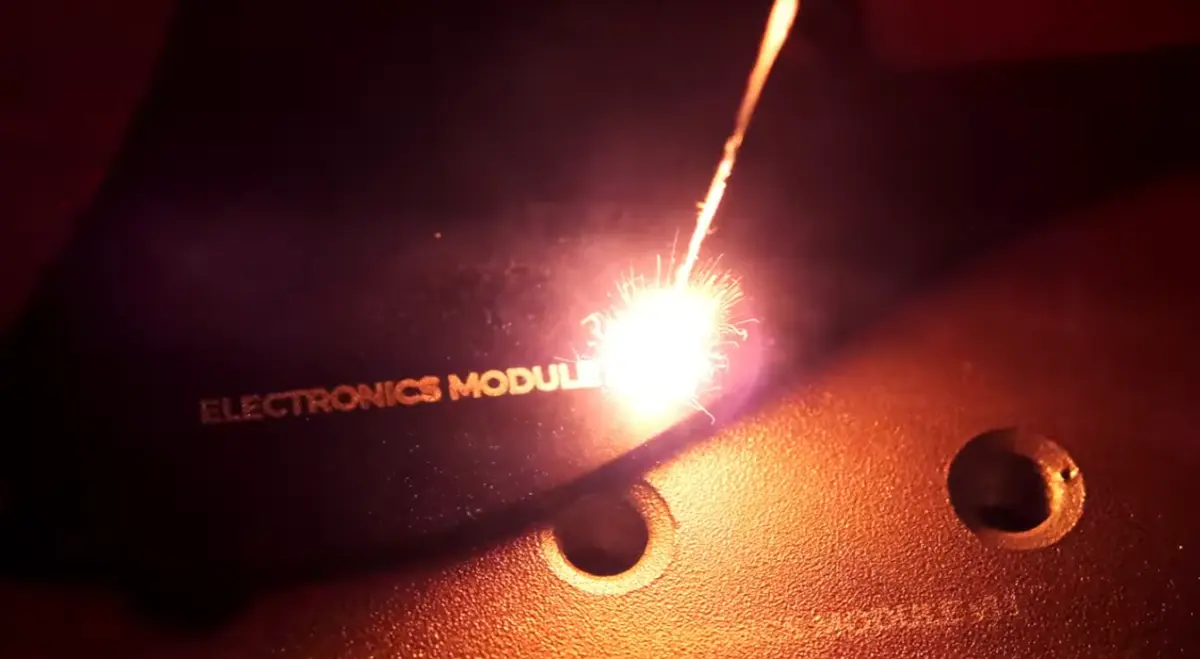 This tiered approach allows for customization at every level of the instrument. Fret markers, logos, custom designs, and identification codes are all produced in-house with the appropriate equipment for each material and scale.
Electronics
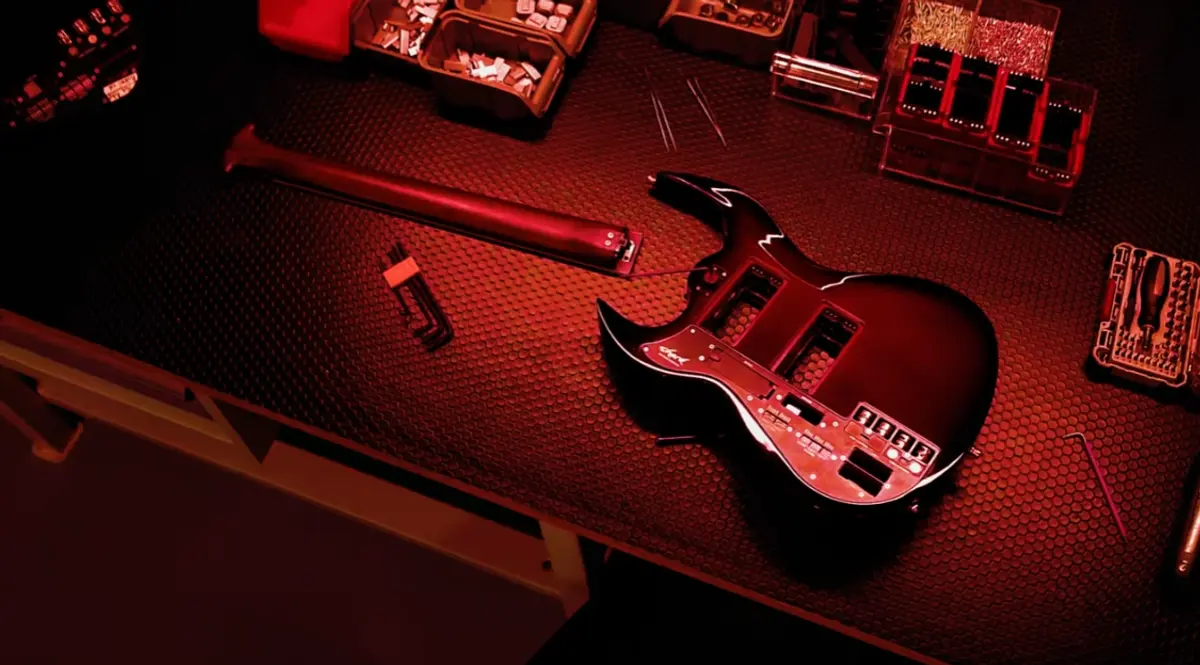 Electronics integration happens in a dedicated clean-room environment. The Shark Electronics Module, pickups, pickup modules, and FX Cards are all assembled and tested on-site. This includes both the Prime and Supreme electronics configurations.
Every electronic component is produced in-house, from the signal processing circuits to the control interfaces. This allows Shark to maintain complete oversight of the technology that defines the instrument's functionality and ensures that the intelligent features of the electronics system work as designed.
Final Assembly
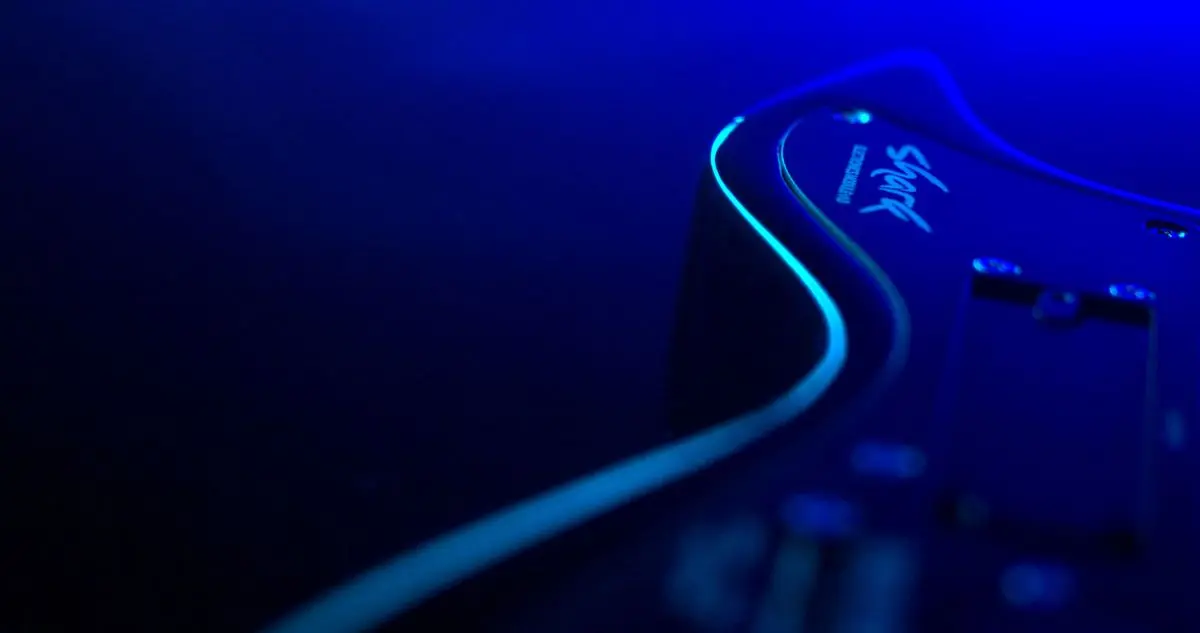
Final assembly brings all components together. Electronics are installed and connected. Hardware is fitted and adjusted. Every guitar is checked against the customer's original specifications for playability, functionality, and craftsmanship.
Comprehensive testing and stringent quality assurance complete the process. Each instrument must meet the standard before it leaves the factory. There are no exceptions.
A New Culture in Guitar Production
The Ocean Environment was designed from the start as an open platform. Shark is its first member, but the system is built to be an ecosystem. The tremolo, the nut, the neck system, the pickup modules: these are engineered to integrate with other guitars, other brands, other production lines.
What makes this possible is a production design that has never existed before in guitar manufacturing. The combination of micrometer-precision metalwork, robotic finishing that captures human expertise, direct-to-machine order flow, and complete vertical integration represents something new. It is a different, a more modern way of building instruments.
We are more than happy to share this platform with others. Our goal is to share this production culture with the industry. We are also providing OEM solutions so that other brands and luthiers can license Ocean Environment components and bring these capabilities to their own instruments.
This is about raising the level of electric guitar design as a whole. We want to establish a new norm in guitar making, one where precision and consistency is expected, where components work together across brands, where players have access to this level of reliability and versatility regardless of which builder they choose.
Shark is leading this change. But the vision is bigger than any single company. We welcome every brand ready to join us in building this future of guitar making.
Date Edited: 08-01-2026
Date Created: 05-01-2026
TAGSFactory